
Nordic Sauna.
At HolyHeat, we love a good sweat. No rush, no noise — just time, heat, and each other.
SAUNAS IN COPENHAGEN
Before the COVID-19 pandemic, saunas with infusions were a rarity in Copenhagen. In public swimming pools, saunas were mostly used as warming rooms where people could relax and change clothes.
Then, during the pandemic, a sauna boom began. Trucks, boats, old construction trailers, barrels, and even tents were converted into saunas, and more and more people started training to become sauna masters.
By 2025, it’s no longer a problem to spontaneously book a spot for a sauna infusion. That’s why I’ve compiled a comprehensive list of all the saunas in Copenhagen. Here, you’ll find links and all the important information you need to enjoy a fantastic time in the heat.
HEAT and Ice Bathing
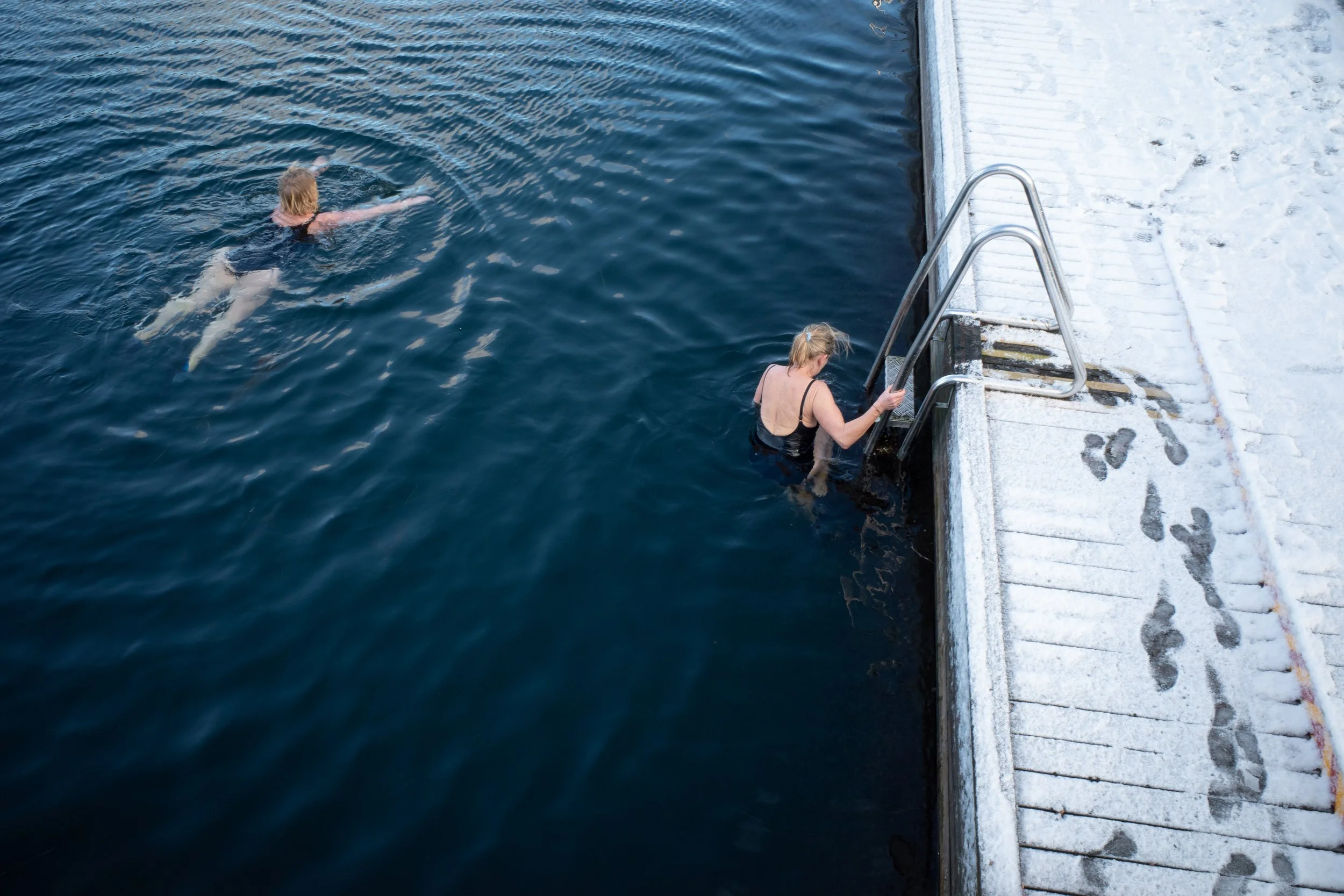
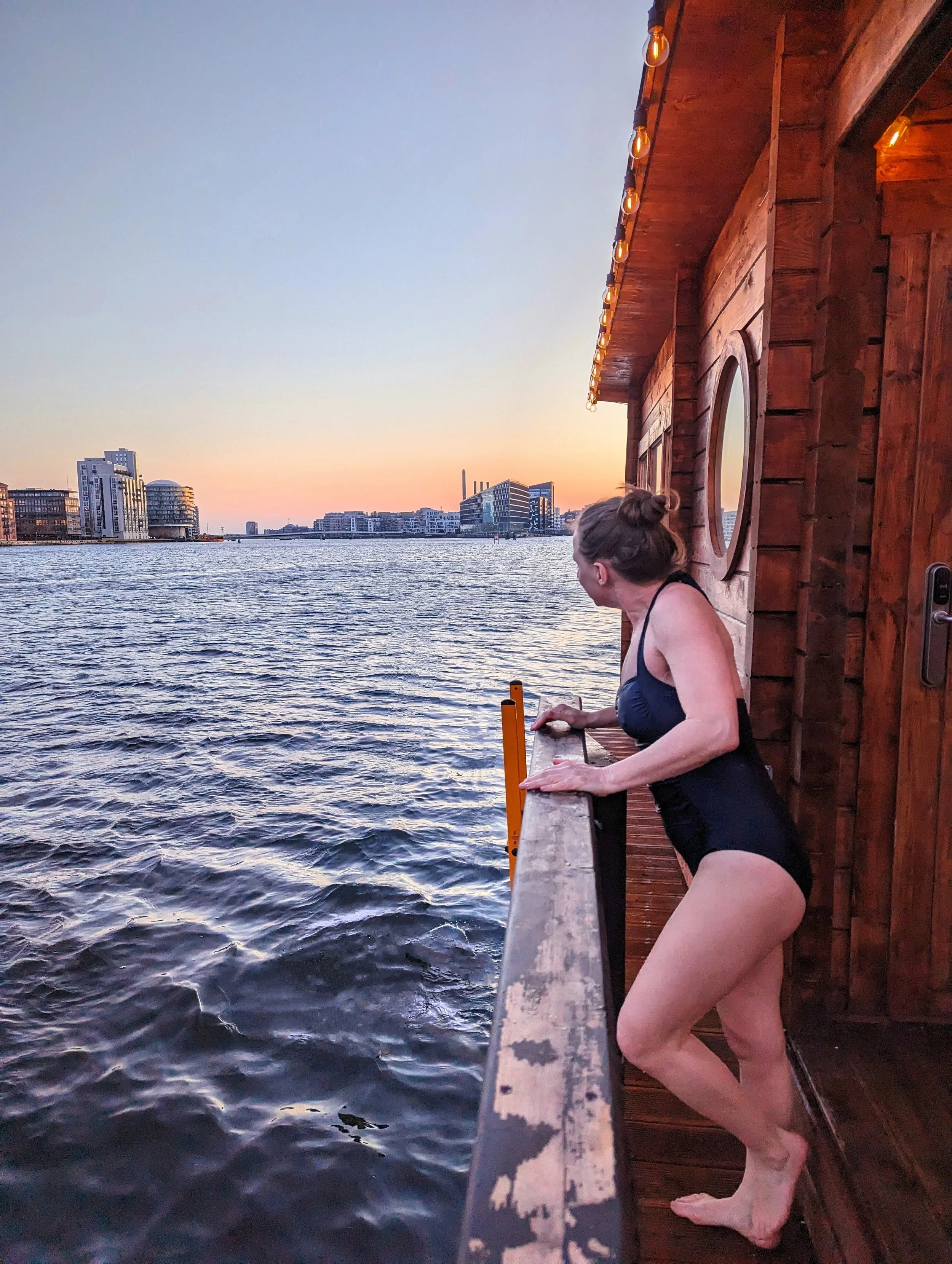
Saunas can be found in the most diverse locations: in basements, on rooftops, on remote islands, on boats, or by the beach. The heat itself is, of course, the central element, but how we cool down between sauna sessions also plays a crucial role. Personally, I love saunas located near natural bodies of water, as I enjoy the experience of being immersed in nature. You feel closer to the weather, even when it’s overcast or gloomy outside. However, in German sauna complexes, cold plunge pools are often available, which are still far better than just a shower—or no water at all. Through my experience with cold water immersion, I have found the following tips to be helpful.
The right way to cool down: The heat of the sauna envelops the entire body, and the same should apply to cooling down in cold water. The temperature of the water is particularly important: between 1 and 10°C is highly effective for promoting muscle recovery and reducing inflammation, while water between 10 and 15°C is more comfortable and generally well-tolerated by most people.
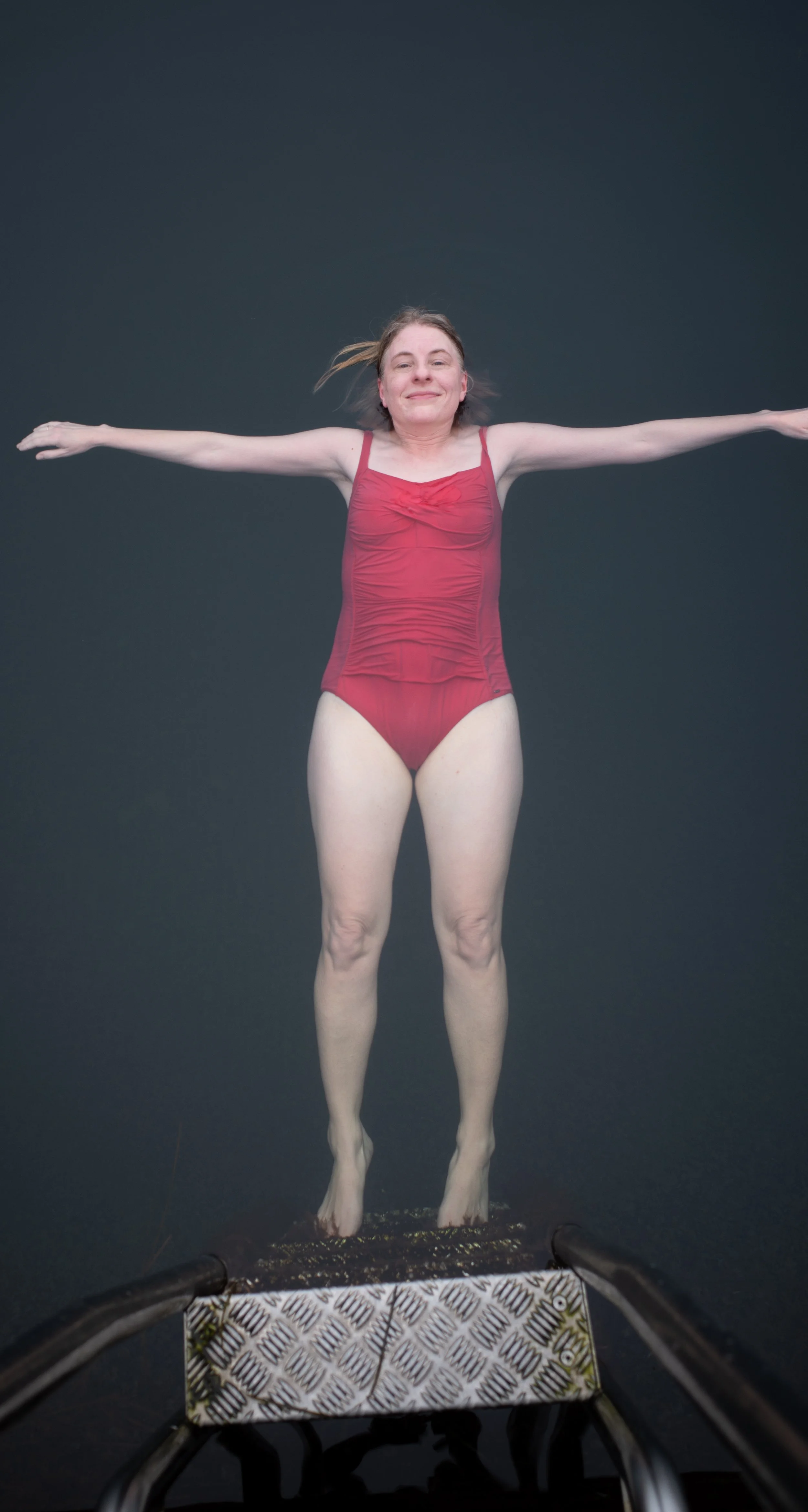
Entering cold water: It’s essential to enter the water calmly and steadily to minimise the shock of the cold. The first 45 seconds are the most challenging, as the brain switches to “fight or flight” mode. The skin burns, and your breathing becomes rapid and shallow. However, after about a minute, the body begins to adjust to the cold, and a profound sense of relaxation sets in—this is the moment when the true benefits of the cold immersion become noticeable.
Keeping your hands out of the water: The hands are particularly sensitive to cold because they contain many peripheral nerve endings. If you keep your hands above the water, it creates a psychological effect of feeling somewhat protected, which reduces mental strain. This makes it easier to tolerate the cold for a longer period.
Copenhagen turns into a vast urban swimming pool in summer. Now, we’re conquering the water in winter too.
Sauna Trips
Every country has its own sauna culture. In my home country, Germany, large bathing complexes with extensive sauna facilities are common. People go into the sauna naked, and sauna masters conduct infusions in a very calm and athletic manner.
In Finland, on the other hand, water is poured onto the stove more casually and often without many oils, with the focus being on the sense of community.
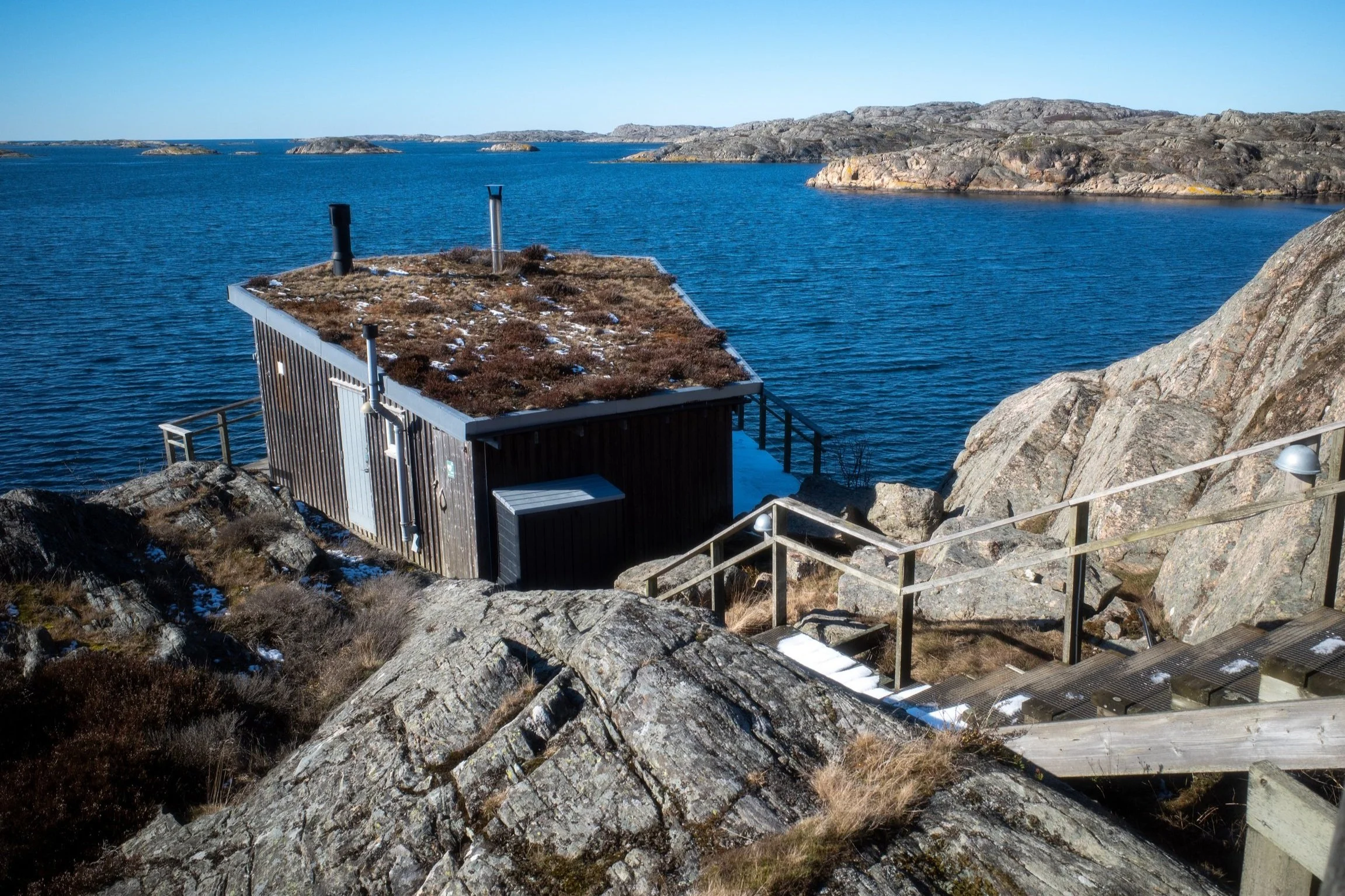
In this blog, I’ll show you some amazing saunas I’ve discovered during my travels. Some are located in breathtaking and unique spots, others boast creative architecture, and some are run by a passionate and welcoming community.
I showcase saunas, bathing spots, and fantastic people who have found their way to sauna, nature, heat, and cold.